
The Committee
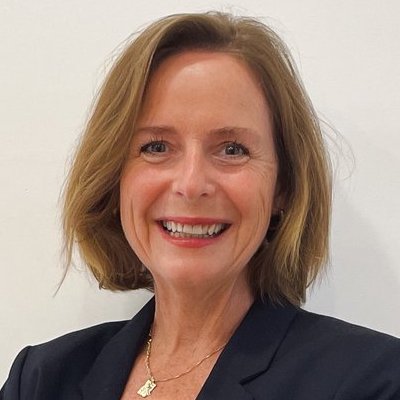
Anna Curnow
Anna is a business graduate and chartered company secretary, with a history of managing projects, leading communications and funding projects in local government, corporate and not for profit sectors.
Her time in local government as a political leader and Deputy Mayor of Kaipara District Council demonstrated the very real benefits of including those who are affected in the decision-making process. Studying with the Tamarack Institute grew her understanding of how to work with communities to achieve the best outcomes. She recently completed the Facilitating Deliberation training with New Democracy Foundation and Mosaic Lab in Melbourne and is engaging with several local councils to encourage uptake of deliberative process through her company Decision Works Ltd. Anna is a member of the Institute of Directors.She believes the relationship between those who deliver services and produce products, and those who use or are affected by them, is under severe stress. A great believer in “leaning in” to challenging problems, Anna continues to immerse herself in new and more inclusive decision making and democratic models.
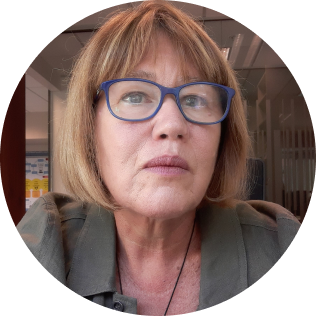
Maureen Gillon
As a founding member of Trust Democracy, I am strongly committed to the concept of democracy and creating space for communities to exercise their democratic right in contributing to solutions.
I was a member of the New Zealand Social and Civic Policy Institute which established strong links with the Kettering Foundation (USA), an international research organisation which creates opportunities for shared learning around its research question, ‘What does it take to make democracy work as it should?’ Lessons from Kettering highlight the potential of citizen participation in solving problems through dialogue and shared learning.
Since completing a Fellowship at the Foundation I have maintained the relationship with Kettering through Trust Democracy to foster learning opportunities for people with an interest in democracy. Our growing New Zealand wide network of Kettering Alumni continue to connect with their local and international networks to engage in ideas exchange and joint learning.
Andrew Ecclestone
I am a researcher and consultant on Freedom of Information and Open Government systems, process and culture. I joined Trust Democracy because public access to information, and participation in policy development and service design, are integral to a healthy democracy that works to ensure people’s needs are met rather than privileging the voices of the well-connected. I’m keen to help deepen and strengthen the discourse on democracy in Aotearoa New Zealand.
I was formerly a Senior Investigator in the Office of the Ombudsman. I’ve also worked for the State Services Commission on implementation of its first Open Government Partnership action plan. I have a Master’s in Public Policy from Victoria University of Wellington. I’m originally from the UK. I’m also a committee member of the NZ Council for Civil Liberties.
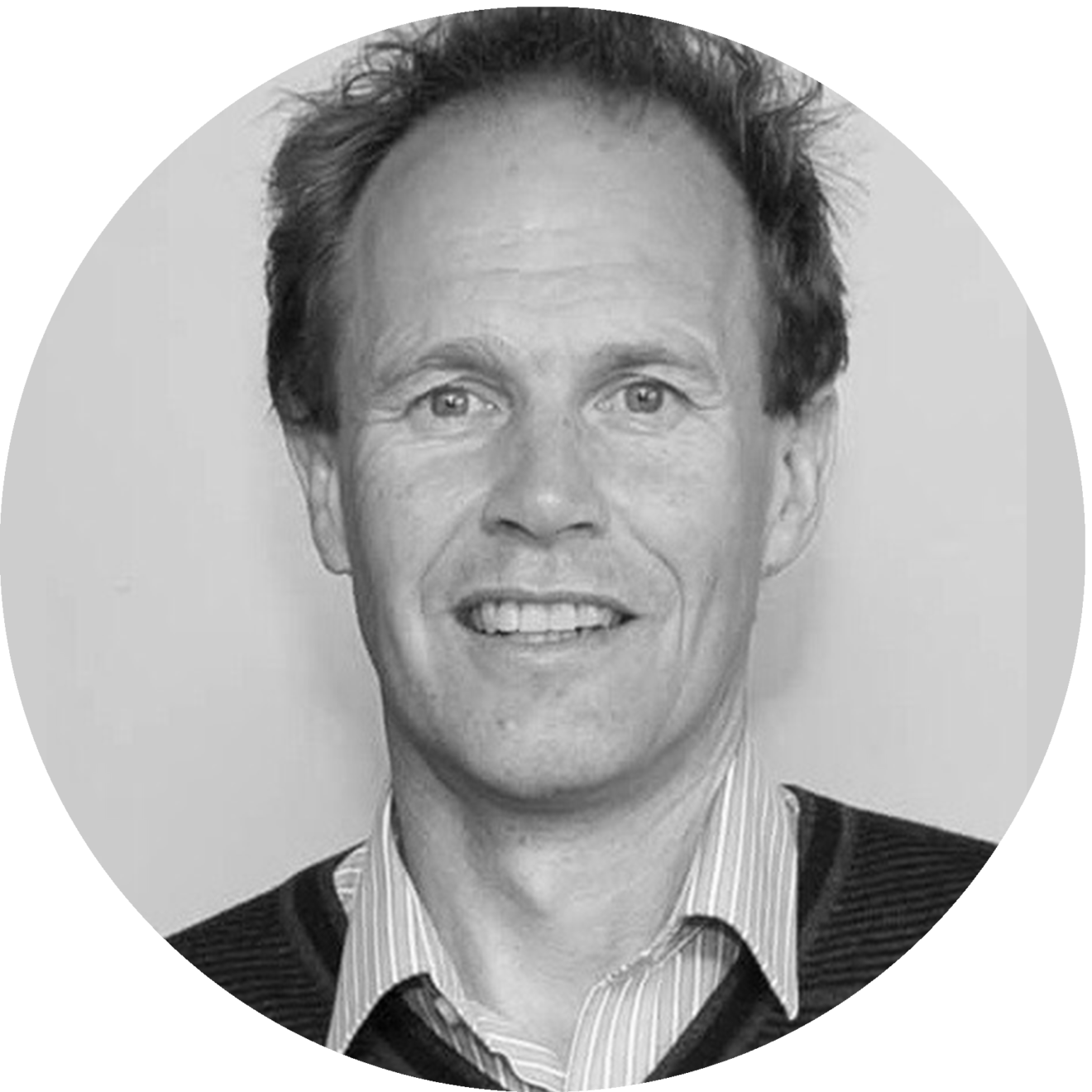
Simon Wright
Simon is a public engagement professional with over 15 years’ experience working for organisations such as Toi te Taiao: the Bioethics Council and the Wellington City Council (WCC). More recently, he has worked as a partner in Public Engagement Projects (PEP) that specialises in designing and evaluating deliberative approaches to decision-making, agenda setting and social learning, and taught a Masters-level course on digital public engagement at the Victoria University of Wellington.
Simon is a member of the Public Service Commission’s Expert Advisory Panel for the Open Government Partnership (OGP) and has served on the Board of the International Association for Public Participation (IAP2) (Australasia). He was the coordinator of the WCC’s Youth Council, and a Trustee of the Citizenship Trust and of Youth Work Wellington.
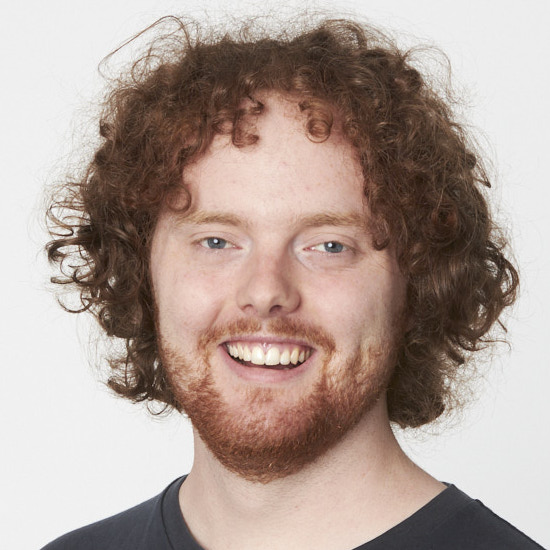
Finlay Harvey
Finlay is a research assistant at Koi Tū: The Centre for Informed Futures at the University of Auckland. He is interested in policy, geography and democracy with particular reference to how people interact with the built world and the policies that define their interactions.
He supports the Complex Conversations programme and works closely with Dr Anne Bardsley on innovative democracy. He has been part of the project team for a number of deliberative and digital processes including the Watercare Citizens Assembly and the Ministry of Transport Polis on the future of the transport revenue system. Finlay is a geographer with a Bachelor of Science from the University of Auckland.
Finn Shewell
Finn is Wellington-based and standing for the committee for the first time. He brings a wide range of experience across community engagement, facilitation, and movement building – including organising and hosting several events focused on democratic innovation.
Finn’s served on the boards of Social Change Collective and Collective Intelligence, working with both to bring the voice of their respective communities to the table. He has also led community-building efforts with Collective Intelligence and City for People; with the latter successfully advocating for more housing in Te Whanganui-a-tara.Finn loves helping people work together; from supporting teams to collaborate effectively, to impacting the systems of governance that make up our current democracy.